
What is FOG?

FOG is made up of any fats, oils, and grease that has the potential to end up in the sanitary sewer system. Most FOG is non-soluble, meaning it cannot dissolve into water. This property causes FOG to collect in sewage collection systems, leading to costly blockages and environmental degradation.
Why is FOG a problem?
When FOG is discharged into our sanitary sewer system, these pollutants, along with wipes, can build up within the collection system. This can diminish the ability to collect and treat wastewater. In addition to causing blockages in the sewer lines, FOG build up can cause sewer backups into homes and businesses or even cause a Sanitary Sewer Overflow (SSO).

What can be done to prevent FOG problems?
The best way to prevent FOG issues, is to keep FOG from going down the drain. Best Management Practices (BMPs) are steps that can be taken in the kitchen to ensure FOG is not going down the drain. In your home, practicing BMPs is usually enough to avoid problems. The City is offering residents a FREE Fat Trapper® for use in their kitchens. Please reach out using the contact bar on the side of this page to claim yours. In restaurants, or any other large kitchen setting, a Grease Removal Device must also be installed.
Click here for FOG Best Management Practices (PDF, 150 KB)
What is a Grease Removal Device (GRD)?
A GRD is a plumbing device designed to remove most grease and solids before they enter the sanitary sewer collection system. GRD can be thought of in two (2) categories; grease traps and grease interceptors.
Grease Trap
A grease trap is a plumbing device designed to remove grease from the liquid waste stream that is located under sinks or other fixtures inside of a food service establishment.
Grease Interceptor
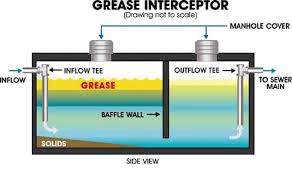
A grease interceptor is a larger plumbing device located underground, also designed to collect grease and solid wastes and prevent them from entering the sanitary sewer system.

Does my establishment need a GRD?
The Hendersonville, NC Policy and Procedures for the Management of Fats, Oils and Grease (FOG) sect. 52-258 part b states: "All Food Service Establishments and Mobile Food Units connected to, whether permanent or temporary, the City's sewer collection system shall comply with the FOG policy". More details for requirements for a specific establishment can be obtained by filling out a Food Service Establishment Application.
Click here for Food Service Establishment Application(opens in a new tab)
Fats can be commonly found in nuts, seeds, fish, red meat, butter, cheese, ice cream, avocados, ect. When any of these food products are discharged down the drain, the fats contained within these food items will start to coat the inside of the pipe, and will build up over time.